A garage door that will not close properly changes the rhythm of a household fast. You notice it when you are trying to leave for work, when rain is coming in sideways, or when the door stops short and leaves the garage partly open for hours. It is one of those faults that feels small until it starts affecting security, convenience, and the life of the door itself.
In practice, the phrase garage door not closing properly can describe a few different situations. Sometimes the door closes unevenly. Sometimes it reaches the floor but does not sit right. Sometimes it begins to close and then the movement becomes unreliable. In many homes, the first instinct is to keep trying the remote, press the wall button again, or give the door a hand. That can turn a minor issue into a larger repair call.
The good news is that most service companies working on garage doors already deal with this exact category of problem every day. In the Gold Coast area, for example, standard service work commonly includes repairs, routine servicing, installations, and replacement of parts such as motors, remotes, and springs. That matters because a closing problem is rarely just one thing. It is often the visible symptom of wear, a motor issue, spring trouble, or a door that is no longer moving the way it should.
What “not closing properly” usually looks like in real life
Homeowners often describe the fault in everyday terms rather than technical ones. They say the door “sticks near the bottom,” “sounds wrong,” “won’t shut all the way,” or “has started acting up in the heat.” Those descriptions are useful. They tell you that the problem is affecting movement, and movement is where garage doors show stress first.
A closing problem does not always mean complete failure. In fact, many doors work badly for a while before they stop working altogether. That is one reason service technicians often recommend regular servicing instead of waiting for a breakdown. One Gold Coast provider specifically recommends professional servicing every 12 months to help prevent failures and extend the life of both the door and the motor. That annual check is not just about convenience. It gives a trained person a chance to spot wear before the door becomes unreliable.
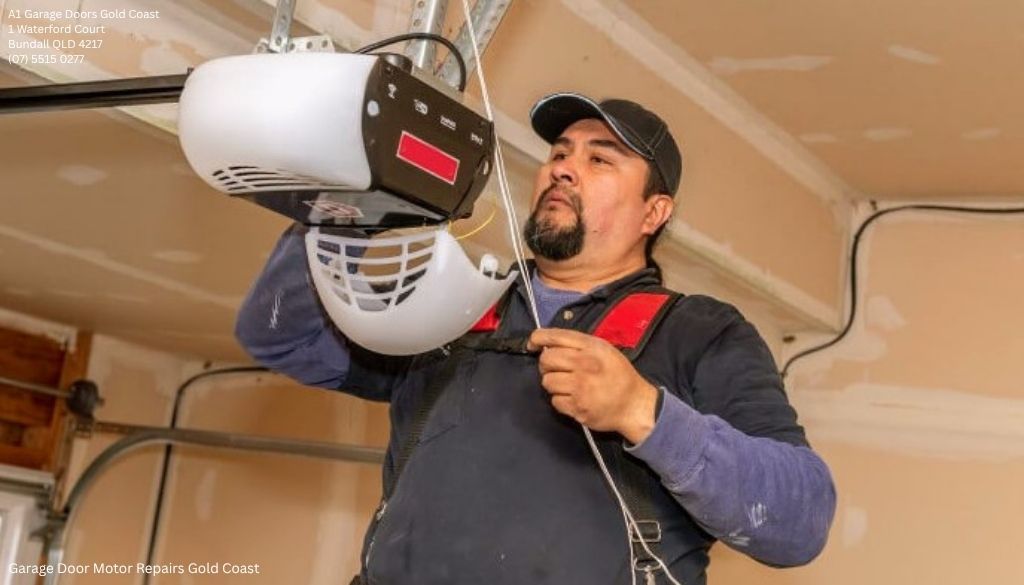
What makes this issue tricky is that the closing action depends on several parts working together. If the motor is struggling, if the springs are wearing out, or if hardware has been affected by age or local conditions, the result can look similar from the driveway. The symptom is simple. The cause is not.
Start with what has changed
When I talk to homeowners about a garage door issue, the most useful detail is often not the fault itself but the timing. Has the trouble started suddenly, or has the door been getting less consistent over a few weeks? Did it appear after a stretch of hot weather? Has the remote been temperamental at the same time? Has the door become noisier?
Those observations do not replace a service visit, but they help frame the likely category of problem. A sudden change can point to a failed component. A gradual decline often suggests wear, environmental effects, or a motor that is no longer performing as it used to. In coastal areas like the Gold Coast, local conditions matter more than some people expect. Salt air, humidity, and heat can affect garage door hardware and increase maintenance needs. Even a well-installed system has to live with those conditions every day.
That matters because corrosion, moisture exposure, and heat-related stress do not always announce themselves dramatically. They often show up as rougher operation, inconsistent closing, or hardware that no longer moves as freely as it should. A door does not need to be visibly damaged to start closing poorly.
The opener is often blamed, but it is not always the whole story
When the door misbehaves, many people assume the automatic opener is at fault. Sometimes that is true. Garage door opener repair is a standard service for a reason. Motors wear out, older systems lose reliability, and some doors eventually benefit from motor replacement or an automation upgrade.
Still, it helps to think of the opener as one part of a larger system. The motor provides the drive, but the springs and hardware play a major role in how the door moves. If those parts are under strain, a motor can appear to be the problem when it is really struggling against another fault. That is one reason a proper diagnosis matters more than guessing from symptoms alone.
This is also why repeated resets, repeated button presses, or trying to “push through” the issue can be unhelpful. If the problem is not the remote or the button, you are only asking the system to work harder while the underlying fault remains.
Springs are a serious part of the picture
If there is one area where caution matters, it is springs. Industry and safety guidance are very clear that garage door springs are under high tension and are dangerous to adjust or repair without the right training and tools. That warning is not exaggerated. Spring work is one of the most hazardous parts of garage door repair.
A closing problem can be linked to spring wear or failure, and spring replacement is a standard repair offering. There is another detail that often surprises homeowners: when one spring breaks, both springs may need replacement because they usually wear at a similar rate. Using mismatched springs can create balance problems. That point is easy to overlook if you are focused on getting the door moving again as cheaply and quickly as possible. Yet replacing only the obviously failed spring can leave the door poorly balanced and set up the next problem.
This is where judgment matters. A short-term fix is not always a real fix garage door owners can rely on. If the door closes badly because the spring system is no longer balanced, partial repairs may not restore stable operation.
Why local climate can make a small issue become a recurring one
People often underestimate how much environment affects moving hardware. On the Gold Coast, service providers explicitly note that salt air, humidity, and heat can affect garage door components. That combination is hard on many exterior fittings and moving parts over time.
Salt air is especially relevant near the coast because it accelerates wear on exposed hardware. Humidity adds another layer of stress, particularly where metal parts and outdoor systems are involved. Heat can make existing weaknesses show up faster, especially in a door that already has age-related wear. You may not notice a single dramatic event. Instead, the door becomes less predictable. It closes fine for a while, then starts hesitating, sounding rougher, or losing consistency.
That pattern is common enough that regular servicing makes practical sense, not just theoretical sense. A door living in demanding conditions usually benefits from earlier attention. Waiting for a complete failure often means the repair is larger than it needed to be.
What you can sensibly check before calling
There is a difference between basic observation and DIY repair. Observation is useful. Disassembly, spring adjustment, and improvised fixes are not.
Before you book service, it is reasonable to note a few things:
- whether the issue is constant or intermittent whether the motor and remote are also acting unusually whether the door appears uneven or is stopping short whether the problem began after a long period without servicing whether coastal heat, humidity, or salt exposure may be part of the background
That short list helps you describe the problem clearly. It also helps a service provider understand whether the likely issue sits with the opener, the springs, or general hardware condition. What it does not do is confirm the diagnosis. A garage door system has enough stored force and moving parts that certainty belongs to a trained technician.
When a closing issue points to garage door alignment concerns
Homeowners sometimes describe poor closing as a garage door alignment problem, and that description can be useful as shorthand. If the door is not coming down evenly or does not seem to sit right when it reaches the bottom, alignment is the word many people reach for. The challenge is that visible misalignment can be caused by more than one underlying issue.
A door may look out of line because the hardware has been affected by wear. It may move unevenly because the spring system is no longer balanced. It may appear to have a tracking or alignment fault when the real problem is elsewhere in the operating system. This is one reason online advice can be misleading. Two doors can show the same symptom and require different repairs.
So yes, garage door alignment is a meaningful concern when the door is not closing properly, but it is best treated as a description of what you see, not as a confident diagnosis of what to fix. That distinction saves time and avoids spending money on the wrong repair.
The real cost of waiting too long
A garage door rarely chooses a convenient time to fail. It tends to stop cooperating when you need it most, on a busy morning, during rough weather, or when the garage contains items you do not want left unsecured. The practical cost of delay is obvious enough. Less obvious is the wear that accumulates while the door is operating badly.
An opener that is straining can wear faster. A spring system that is nearing failure can become a safety issue. Hardware exposed to heat, humidity, and salt air does not improve on its own. This is why a door that still “sort of works” should not always be left alone. In service work, there is a big difference between a problem caught early and one that has been repeatedly forced through daily use.
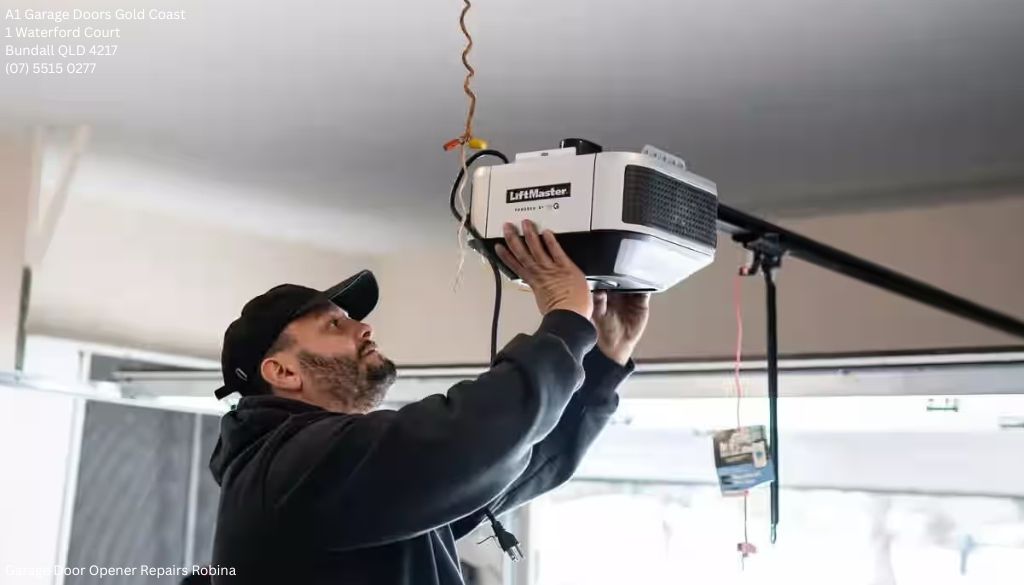
I have seen homeowners treat a closing issue as an annoyance for months because the door eventually shut on the third or fourth try. By the time they book the call, the repair is no longer limited to a single part or adjustment. The fault has spread stress through the system. Even without naming every possible component, the principle is simple: unreliable movement creates more wear than smooth movement.
Signs it is time to book service now
Some situations call for prompt professional attention rather than watchful waiting. If any of the following apply, it makes sense to stop experimenting and arrange service:
- the door will not close fully or closes inconsistently the motor or opener has become unreliable at the same time the door appears uneven, unbalanced, or not seated properly you suspect spring trouble, especially after a sudden change in operation the system has gone a long time without professional servicing
That last point matters more than many people think. A neglected system does not always fail dramatically, but minor wear tends to cluster. If the door has been operating for years in a coastal environment without a service check, a closing problem is a strong reason to have the whole system assessed.
Why professional service is usually the faster path
People often weigh up the cost of a callout against the temptation to keep tinkering. In my experience, the second option only looks cheaper at first. Once a door is not closing properly, you are already outside normal operation. At that stage, a technician brings two things that matter: a broader view of the system and the tools to work on it safely.
This is particularly true where garage door opener repair is concerned. If the opener is genuinely failing, repair or replacement may be appropriate. If the opener is only the symptom carrier for another issue, replacing it first will not solve the real problem. The same logic applies to spring-related faults. Springs are common service items, but they are not DIY items. Their danger is well established, and a rushed repair can create more than inconvenience.
Professional service also helps with decisions about replacement versus repair. In the Gold Coast market, companies commonly handle not only repairs but also installations, motor replacements, remote replacements, and automation upgrades for existing garage doors. That range is useful because not every troubled door needs the same response. Sometimes the right answer is a repair. Sometimes the motor has reached the point where replacement is the smarter long-term move. Sometimes the issue reveals that the system has simply gone too long without maintenance.
Servicing is not just for broken doors
Many homeowners only think about garage doors when something stops working. The better approach is to treat the door like any heavily used mechanical system. It cycles repeatedly, supports substantial weight, and lives with weather exposure. A yearly service interval is a practical standard because it gives the system a regular inspection before faults become obvious.
That is especially worthwhile in areas where salt air, humidity, and heat are part of daily life. Those conditions do not mean every door will fail early, but they do raise the value of preventive attention. If a service provider can catch wear on the motor side, see early spring fatigue, or identify hardware being affected by the environment, that can save the owner from the more disruptive version of the same problem later.
It also helps with planning. A door that has been serviced regularly is easier to assess when a fault appears. There is a maintenance history. There are fewer unknowns. That makes repair decisions more straightforward.
A balanced way to think about repair decisions
Not every closing issue is an emergency, but every closing issue deserves respect. The door is telling you that normal operation has changed. The next step is not panic, and it is not guesswork either. It is measured observation followed by service when the pattern points to more than a one-off fix garage door inconvenience.
If the opener is unreliable, garage door opener repair may be part of the answer. If the movement suggests imbalance or a sudden change in operation, springs become part of the conversation and should be left to trained hands. If the door looks off and people in the household are calling it a garage door alignment problem, that visual cue is worth reporting, even though the underlying cause may be broader. And if the system has been working in Gold Coast heat, humidity, and salt air without a recent check, that local context matters.
People often ask whether they should try to fix garage door problems themselves or book service straight away. The honest answer depends on what “fix” means. Noting symptoms, checking whether the problem is repeatable, and observing whether the opener or remote is also acting up are sensible first steps. Anything beyond that, especially where springs or mechanical adjustments are concerned, belongs with a professional.
A garage door that does not close properly is rarely just being stubborn. It is showing wear, strain, or a component issue that needs proper attention. The sooner you treat it that way, the better the outcome tends to be, for safety, for reliability, and for the life of the whole system.